
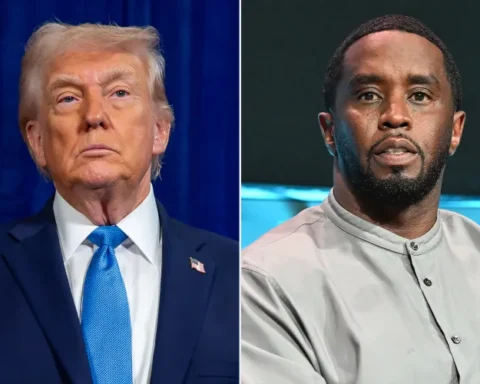


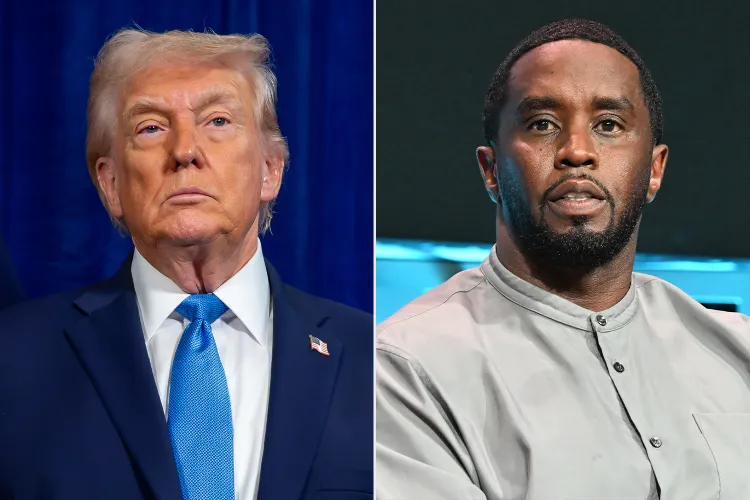
The president confirms receiving a letter from Sean “Diddy” Combs while pointing to a fractured relationship and past hostilities
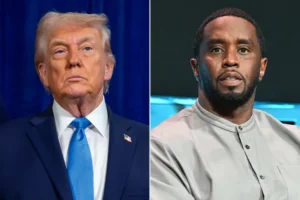
President Donald Trump has revealed that Sean “Diddy” Combs personally asked him for a presidential pardon—but the request appears to have gone nowhere.
In an interview cited in a New York Times report published on Thursday, Jan. 8, Trump, 79, confirmed that the imprisoned music mogul reached out directly. “He asked me for a pardon,” the president said, noting that the appeal came “through a letter.” When pressed for further details, Trump added with characteristic bluntness, “Oh, would you like to see that letter?” He did not, however, produce it.
A White House spokesperson later confirmed Trump’s remarks, reinforcing that while the request was made, there are no plans to act on it.
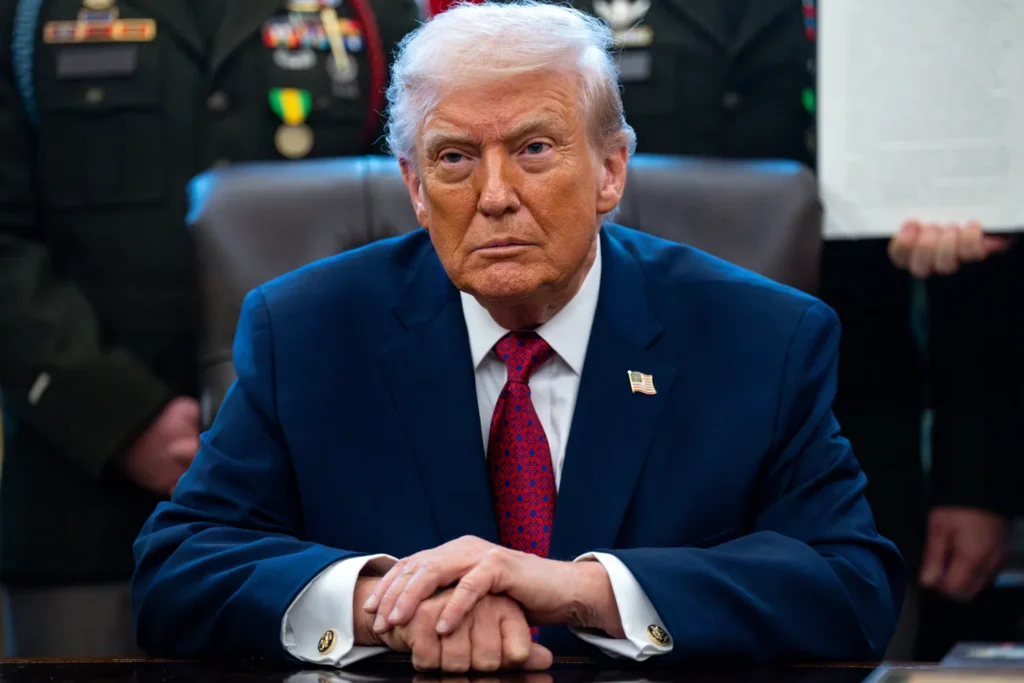
A Request With Little Chance of Approval
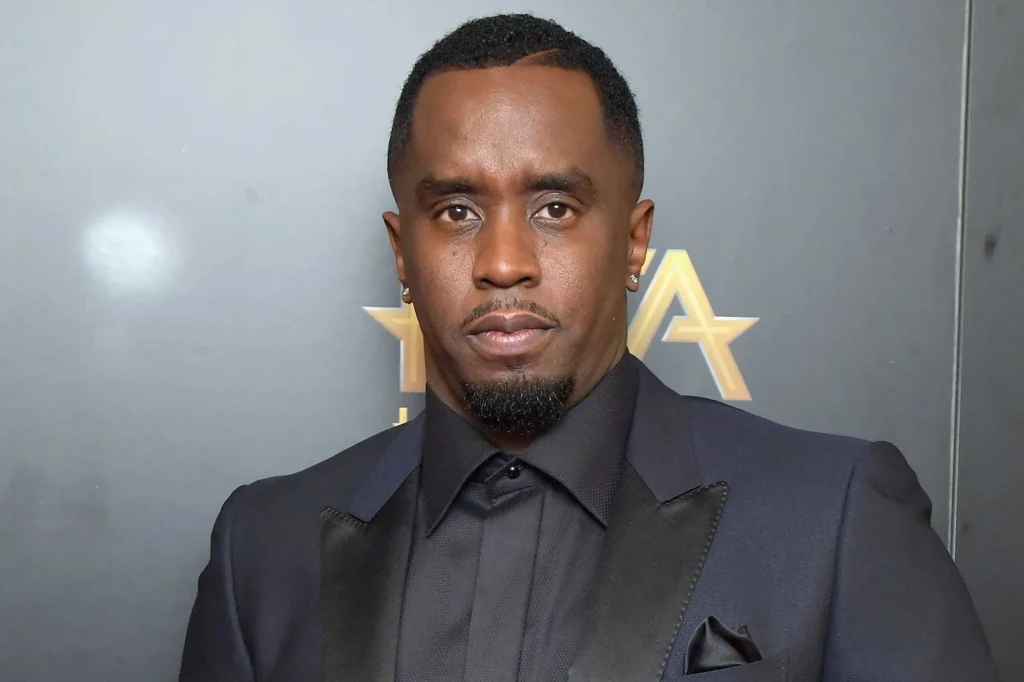
Combs, 56, is currently serving a 50-month prison sentence following his October sentencing on two prostitution-related charges. Though he was acquitted of sex trafficking and racketeering conspiracy charges after a highly publicized federal trial in New York City last summer, the remaining convictions resulted in significant jail time.
Trump made it clear that the former Bad Boy Records founder’s appeal for clemency does not sway him. According to the report, the president has no intention of granting a pardon—citing both the facts of the case and the complicated personal history between the two men.
A Once-Friendly Relationship Turned Sour
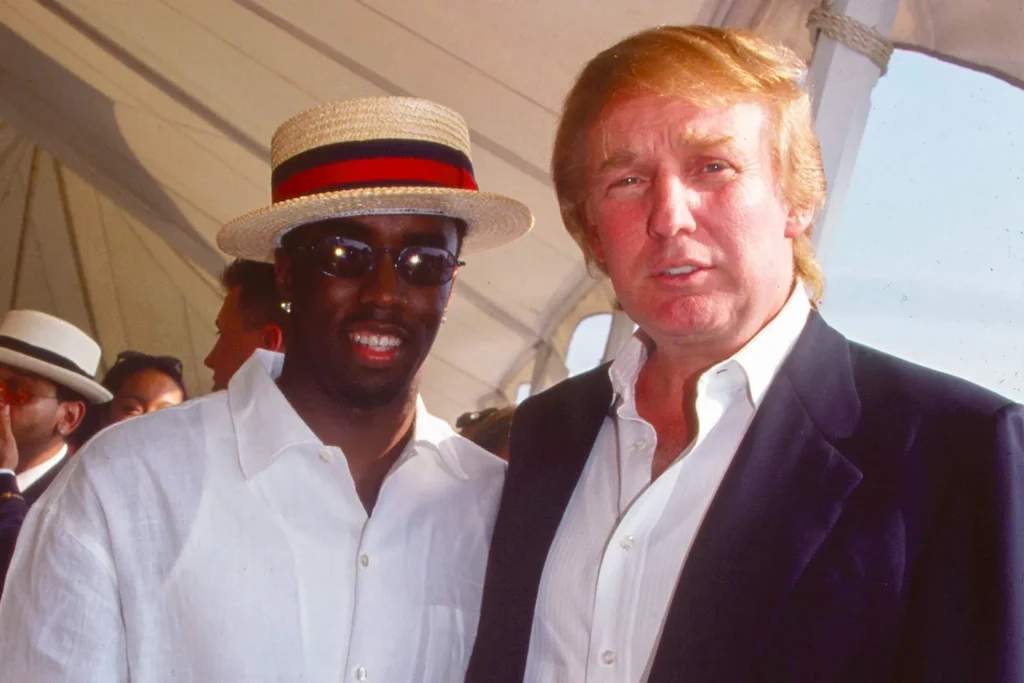
Trump and Combs were once publicly friendly, frequently photographed together at high-profile events dating back to the late 1990s. Trump even referred to Combs as a friend in 2012. But that relationship, Trump says, unraveled when he entered politics.
“He used to really like me a lot,” Trump recalled, explaining that things changed dramatically during his first presidential campaign in 2016. “That relationship busted up. When I ran for office, he was very hostile… and made some terrible statements.”
Trump acknowledged that personal history can inevitably color decision-making. “We’re human beings. We don’t like to have things cloud our judgment, right?” he said. “But when you knew someone and you were fine and then you run for office and he made some terrible statements… it makes it more difficult to do.”
Prior Comments and Public Speculation
This is not the first time the possibility of a pardon has surfaced. In May 2025, Trump was asked during a press briefing whether he would consider clemency for Combs. At the time, he struck a more neutral tone, saying he would “certainly look at the facts” and consider whether Combs had been mistreated—regardless of personal feelings.
“I haven’t seen him, I haven’t spoken to him for years,” Trump said then, adding that he believed people close to Combs were considering asking for a pardon. “I think people have been very close to asking.”
Following Combs’ mixed verdict last August, Trump commented publicly on the outcome, describing it as a partial victory. “He was essentially… sort of half-innocent,” Trump said in an interview, noting that while Combs avoided the most serious charges, the result was far from a full exoneration.
No Comment From Combs’ Camp
When reached for comment, Combs’ spokesperson declined to respond. Reports have previously indicated that while Combs’ legal team did not formally request a pardon, others in his circle may have explored the possibility.
For now, Trump’s position appears firm. Despite a direct written appeal and a shared social history, the president has drawn a clear line—signaling that the pardon power, in this case, will remain unused.

- Jennifer Lawrence Welcomes 2026 with a Bold New Look—and Candid Reflections on Die My Love
- Donald Trump Says Diddy Requested a Presidential Pardon—but Makes Clear He Won’t Grant It
- Jennifer Lawrence Jokes About Emma Stone “Beating” Her With SAG Nomination: “Why Are You Not Saying Sorry?”
- Anna Perrotta: Crafting Meaningful Luxury Through Vision, Culture, and Empowerment